
The Fabric JournalReference1 min read
Complete Guide for African Fashion
Why Swiss lace is prized for senator wear, agbada and kaftans, and what separates a fine piece from an ordinary one.
Overview
Swiss lace fabric is synonymous with precision, refinement and understated luxury. Traditionally celebrated for its lightweight construction and intricately detailed embroidery, Swiss lace represents a heritage of fine craftsmanship long associated with premium textile artistry.
Made for warm climates
Characterised by its breathable structure and elegant drape, Swiss lace offers a unique balance of comfort and sophistication, making it particularly well suited to warm climates. In African fashion, it has become a preferred choice for iconic styles such as senator wear, agbada and kaftans, where both visual richness and wearability are essential.
What sets it apart
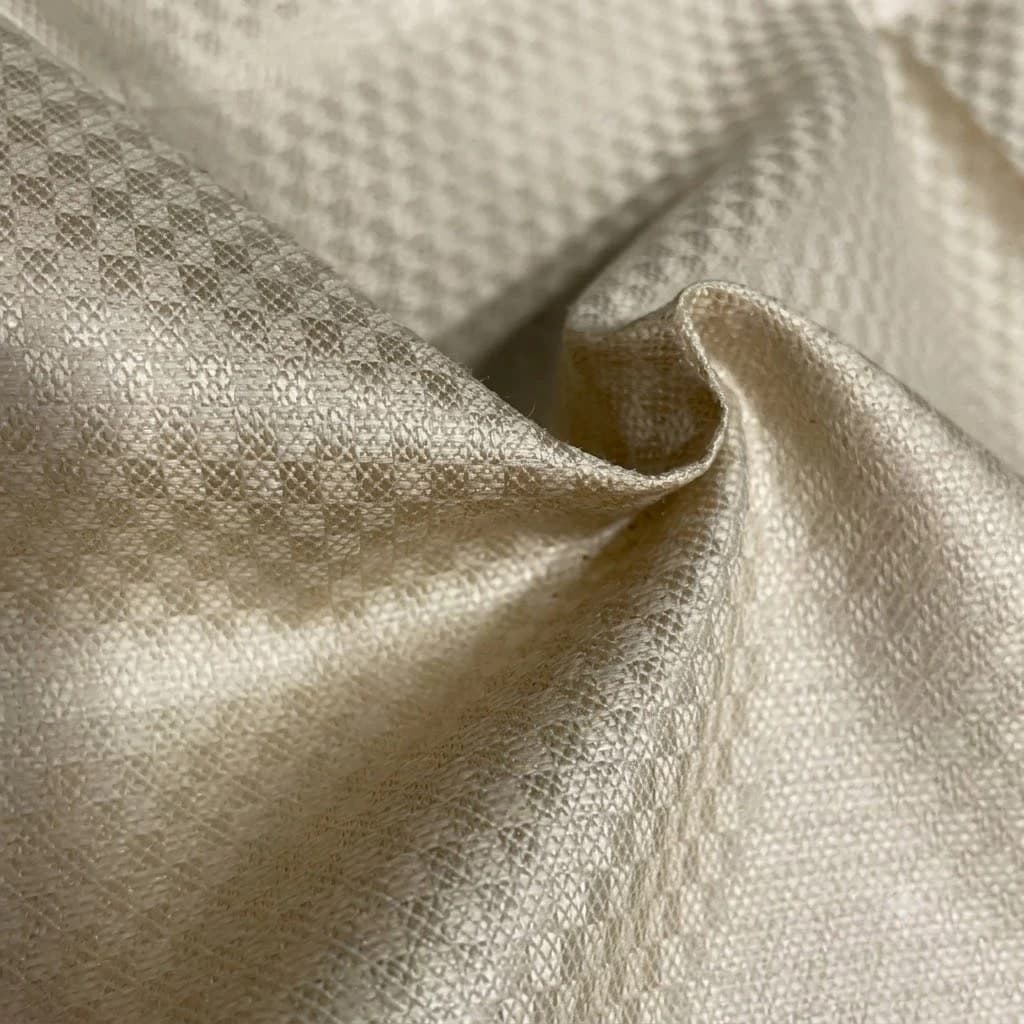
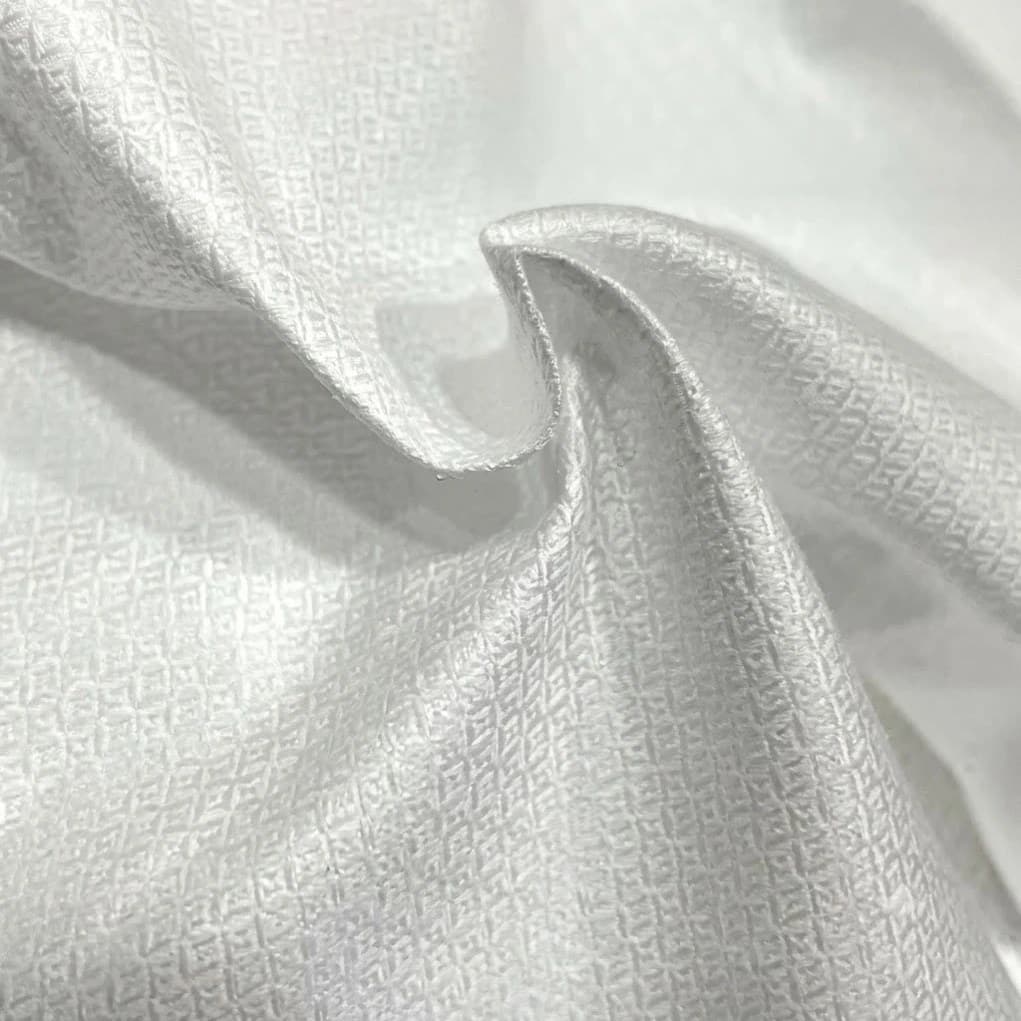
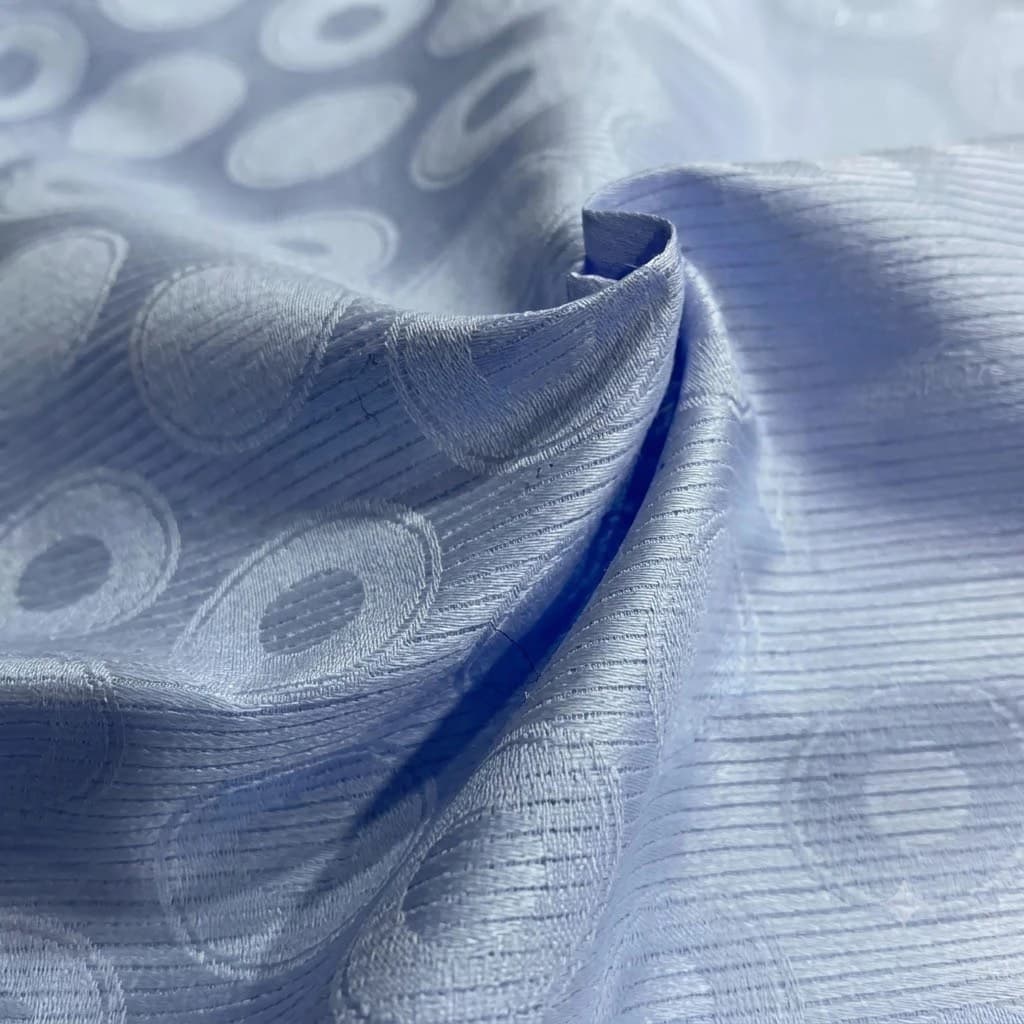
What sets Swiss lace apart is the finesse of its embroidery and the quality of its base fabric. The interplay between texture and subtle sheen creates a fabric that is visually striking yet refined, allowing garments to make a statement without appearing excessive.
A modern interpretation
Modern interpretations, such as Zürique, translate these Swiss-inspired aesthetics into fabrics designed specifically for West African tailoring. By combining premium cotton bases with finely executed viscose embroidery, such fabrics offer enhanced durability, softness and depth, bridging traditional elegance with contemporary design needs.
Understanding the nuances of Swiss lace helps designers and customers alike make more informed choices, so that each garment reflects not just style, but true craftsmanship and lasting quality.
Nabeen weaves the fabrics in this guide. Read our story, or talk to our team about your market.